IFAD, the International Fund for Agricultural Development, continues planting seeds of resilience and opportunity. Wherever its donations, credit lines and training programs reach, rural life changes. With a focus on capacity building and climate resilience, IFAD’s current efforts aim to strengthen rural communities across Mongolia.
Since 1924, Mongolia has been officially recognized as the Mongolian People’s Republic—a nation deeply rooted in the legacy of the ancient Mongol Empire. Fierce, strong and ambitious men once dominated vast regions of Asia during the 18th century with unchallenged power. Today, the world’s nineteenth-largest country is also its most sparsely populated. Its geography is defined by the arid steppe, the Gobi Desert to the south, and the snow-capped mountains to the west and north.
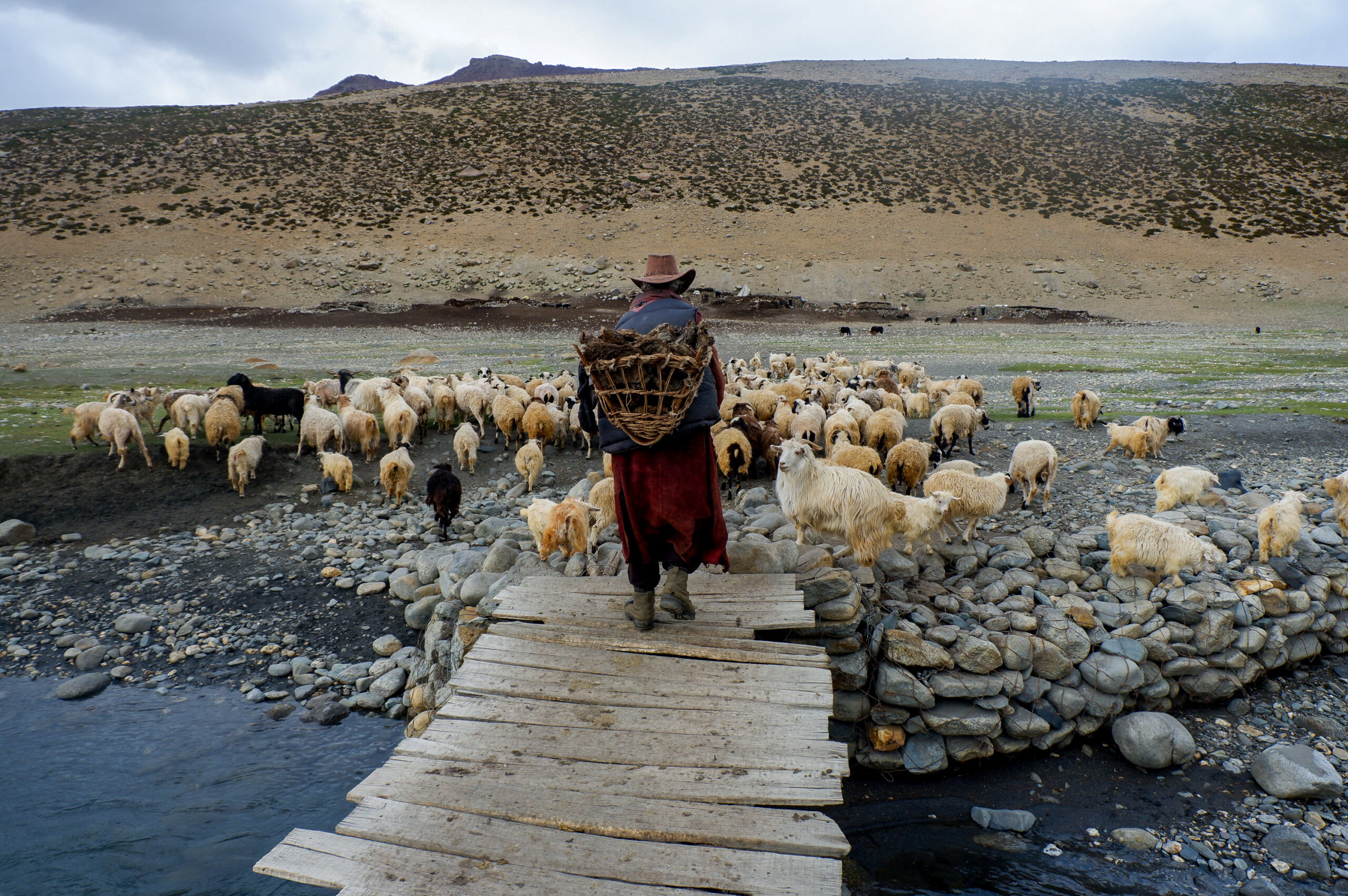
With a population of 3.5 million, half of its inhabitants live in the capital city, while the rest—many of them poor—are nomadic or semi-nomadic. They rely on what they can gather daily, living off meager harvests and the limited meat and milk provided by their livestock. But climate change has dried their land: ancient springs and wells have disappeared, nothing grows, and the parched pastures no longer nourish their animals. These are the early blows of climate change, which has pushed their way of life to the brink.
Mongolia, located in the heart of Central Asia between China and Russia, produces most of the food consumed domestically, with agriculture representing 15% of its GDP. In the past decade, mining-driven growth expanded the economy rapidly and lifted many out of poverty. Yet overall, progress has been insufficient: today, one in five citizens remains below the national poverty line. Rural poverty rates are significantly higher (35.5%) compared to urban areas (23.2%). Rural residents often live dispersed, isolated and nomadic; others settle in soums—rural districts typically formed by hundreds of families.
IFAD’s Strategy in Mongolia
Since 1996, IFAD has closely monitored Mongolia’s fragile rural situation, now further worsened by climate change. Its long-term strategy has relied on recurring, phased donations used to implement a series of assistance programs targeting the country’s rural poor. Funding for agricultural and livestock development projects has been central. Today, faced with intensifying climate impacts, IFAD seeks to strengthen resilience in rural areas by promoting sustainable land-management practices for grazing and other basic adaptation strategies.
The strategy aims to empower and improve the lives of poor herders. By gaining a deeper understanding of regional economies, herders can better position their small-scale production for market access. The strategy also targets income-generating activities—even modest ones—that offer cash opportunities to the most vulnerable rural communities.
Mongolia’s rugged terrain, extreme geography, high construction costs and limited state investment have created severe infrastructural shortcomings. Roads and social services are insufficient, making life especially difficult for the most isolated communities, which have limited or no access to nearby markets. In addition, they lack adequate education, healthcare and opportunities to diversify income beyond agriculture. Herders often live in extreme precariousness in pastureland areas or small subdistrict zones where any economic activity beyond herding becomes nearly impossible.
A Reality That Can Change
IFAD’s projects in Mongolia offer a promising blueprint for a more resilient future. Currently, financing programs are underway to help the poorest and most vulnerable rural residents develop new sources of income. Cooperatives, small enterprises and emerging ventures now have access to credit lines—made possible through financial institutions that partnered with IFAD’s initiative.
The challenges ahead are enormous, but the rural people of Mongolia have shown determination, resilience and hope. They are eager to grow, move forward and face the future with renewed strength.