In 2024, Cuba was plunged into darkness. Widespread power outages swept across the island, their persistence paralyzing entire regions. The crisis, rooted in the country’s outdated fossil fuel–based energy infrastructure, pushed both small- and large-scale production to the brink. In the midst of this grim panorama, the Gibara Verde X Ciento Project brought tangible relief by donating solar panels to rural communities—lighting up lives where help was most needed.
The city of Holguín, located in eastern Cuba and often called the city of parks, is known for its lush green spaces and vibrant public life. Founded in 1545, it is a place where colonial heritage meets modern vitality—a city of cultural and economic dynamism that, like the rest of the country, fell into darkness during 2024.
Just a few kilometers from Holguín, the landscape turns rural and rugged, blanketed by tropical crops. There lives Martha and her husband, small-scale farmers who cultivate tomatoes, bananas, eggplants, and other produce nourished by Cuba’s fertile soil. Like many others, they have endured the first harsh blows of climate change. In this part of the island—where long dry seasons are the norm—the climate has become increasingly extreme. Prolonged droughts, intensified by global warming, have severely damaged plantations across the region. On top of this, massive and indefinite power outages in 2024 prevented farmers from irrigating their crops during suffocating heat, leaving fields to wither in despair.
Life Without Power: A Struggle for Survival
For small farmers like Martha and her husband, electricity is the backbone of daily life. Every morning begins with watering the fields, and every evening ends with safely storing harvested goods. Without power, even basic tasks—like pumping water—become impossible. Agriculture in Holguín ceased to be viable, productivity plummeted, and post-harvest losses soared. The economic toll was crushing, especially for families already living on the margins. On a broader scale, the consequences threatened food security for entire regions.
At the End of the Tunnel, a (Renewable) Light
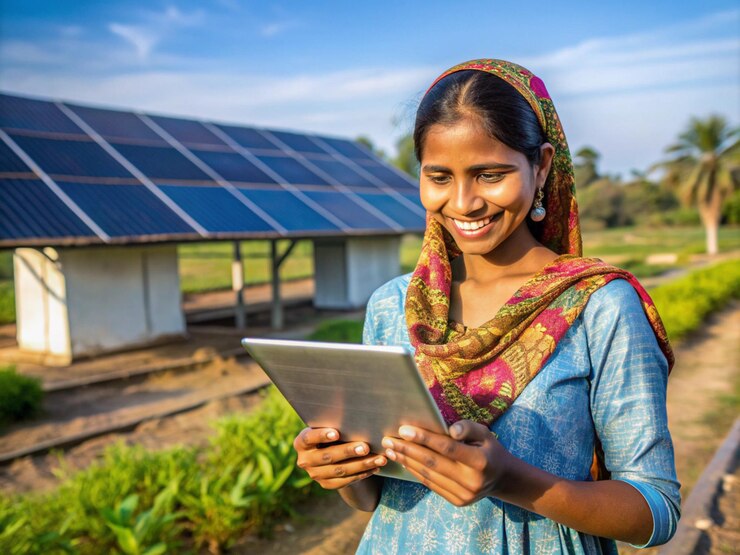
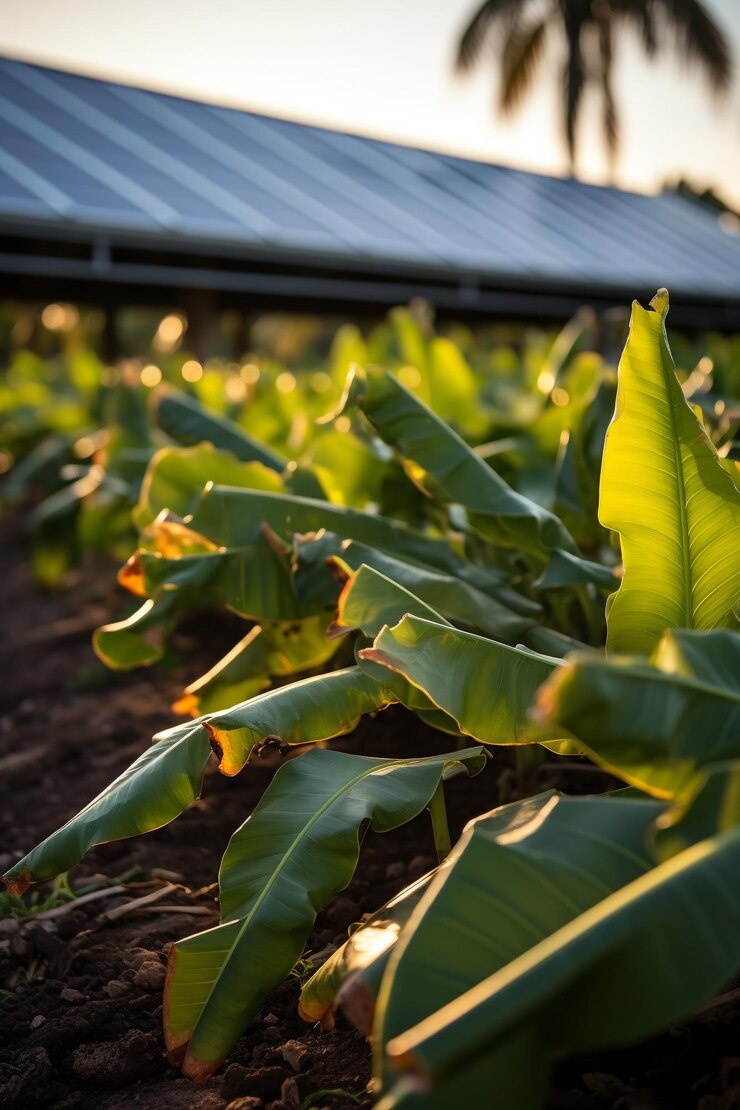
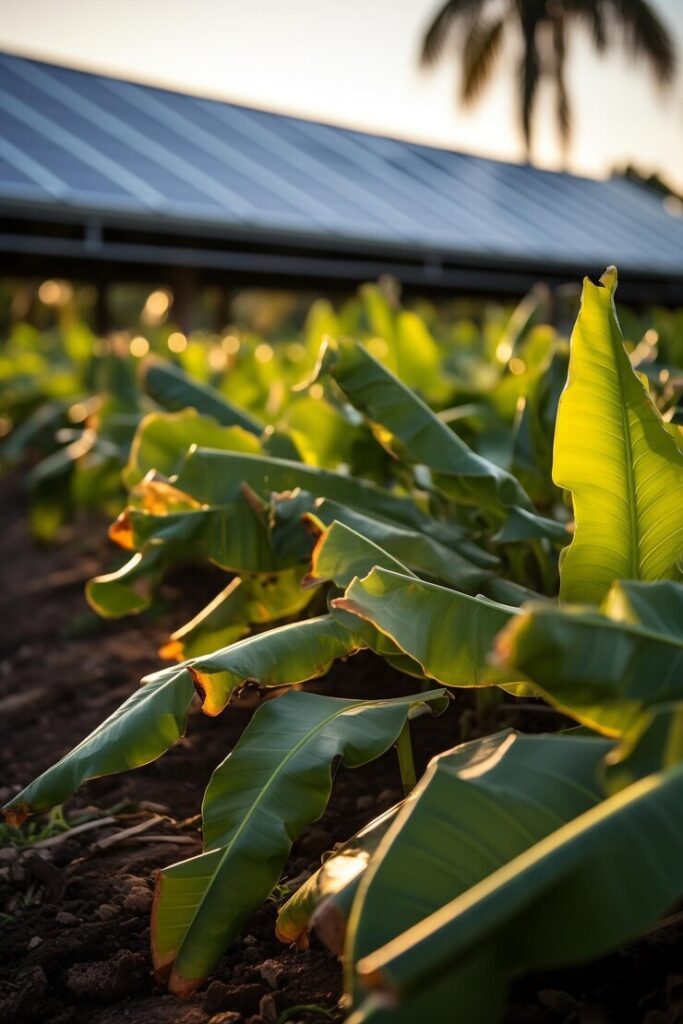
Martha, however, has managed to defy the blackouts and protect her crops thanks to her new solar-powered irrigation system. With cutting-edge technology capable of converting abundant sunlight into a reliable source of clean electricity, she can now irrigate her fields continuously, regardless of the national grid’s instability. This transformation was made possible through the Gibara Verde X Ciento Project, which donated photovoltaic solar panels to Martha and other farmers in Holguín.
Now, when rain is scarce, Martha no longer fears losing her crops. Her panels supply all the energy required for water pumping and irrigation across her land. Alongside her neighbors, she has become energy self-sufficient, resilient in the face of Cuba’s crumbling and obsolete power network.
From Darkness to Sustainability
Martha’s success story reflects more than personal triumph—it symbolizes a broader transformation. Thanks to Gibara Verde X Ciento, small farmers in Holguín are sustaining their livelihoods and strengthening local food security. What began as an emergency measure to counter blackouts has evolved into a model of rural resilience and sustainability.
The initiative’s impact has been so significant that it is now being replicated in other parts of Cuba, prioritizing areas where agriculture and local economies remain most vulnerable. In a nation struggling with the consequences of energy scarcity, solar power has become not just a source of electricity, but a beacon of dignity, autonomy, and hope—proof that clean energy can illuminate both fields and futures.