Recipes for Change is an IFAD (International Fund for Agricultural Development) program designed to combat malnutrition among children, the elderly and pregnant women in rural Mongolia. Thanks to generous donor support, chef Si King traveled there to bring hope—and to share his most nutritious culinary secrets.
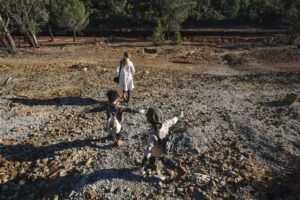
The deepest identity of the Mongolian people is rooted in the harshness of their landscape: the endless steppe. Thousands of kilometers of arid plains, gentle rocky rises shaped by the wind, sparse grasses and extreme cold. It is here, where winter brings temperatures as low as –40°C, that one-third of the country’s population lives today. These are communities of nomadic herders who depend entirely on what the land produces seasonally.
However, climate change has already altered the rules of survival. Summers have begun to scorch the air, shrinking pastures leave livestock without food, water sources dry up and drinking water becomes scarce. Everything—absolutely everything—has become increasingly difficult in this part of the world, wedged between China and Russia.
British chef Si King traveled to Mongolia to connect with herders and share his expert knowledge in nutrition: how to combine foods in ways that enhance their nutritional value, something vital for protecting the health of the most vulnerable—children, pregnant women and elderly people. King is part of IFAD, an organization that has been supporting Mongolian rural communities since 1996. Today, in the face of climate change, IFAD works to strengthen resilience through adaptation programs and sustainable livestock and agricultural management.
Recipes That Nourish Body and Spirit
Through its Recipes for Change program, IFAD sent one of its most renowned chefs, Si King, who left his modern English kitchen to cook inside gers, the traditional homes of Mongolian herders. There, stoves burn wood—when it can be found—or dried dung as fuel. King traveled to Khentii Province in eastern Mongolia to visit Badma and Bold, two herders who are adapting to climate change thanks to IFAD’s Pasture Management and Market Development Project.
Badma and Bold belong to a cooperative that focuses on pasture rotation, fodder production and preparation for surviving Mongolia’s brutal winters. These activities are essential for enduring the coldest months of the year.
King, whose career has taken him across countless regions of the world, often says: “The true spirit and heart of any country is found most authentically in its rural communities.” Beyond being a chef, King is a cookbook author and highly recognized TV presenter in the United Kingdom. For over 20 years, he has used his passion for food, travel and culture to create bonds between people through flavor. Over time, his mission has expanded to include new social dimensions.
With a deep commitment to sustainable food practices, Si King uses his platforms to advocate for traditional cooking techniques and local ingredients. His work has helped reawaken interest in traditional British cuisine and support healthier, more sustainable eating habits.
A Commitment to the Well-Being of the Most Vulnerable
Beyond his television success, King is a strong defender of small-scale farmers and the importance of food origins. He stresses the urgent need to reduce food waste and promote seasonal cooking. His cookbooks and his stories about culinary traditions continue to inspire thousands to reconnect with their food heritage and celebrate the joy of home cooking.
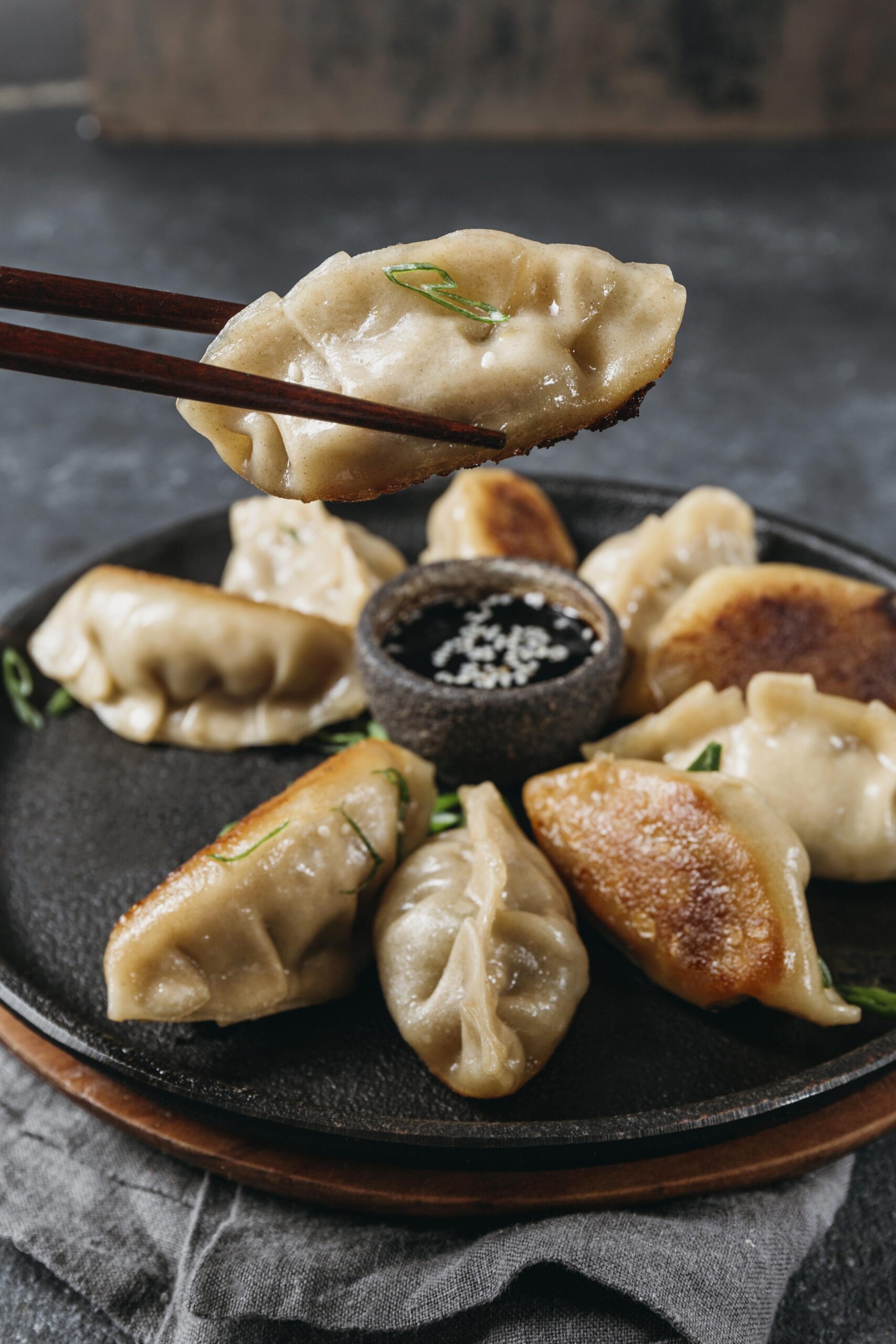
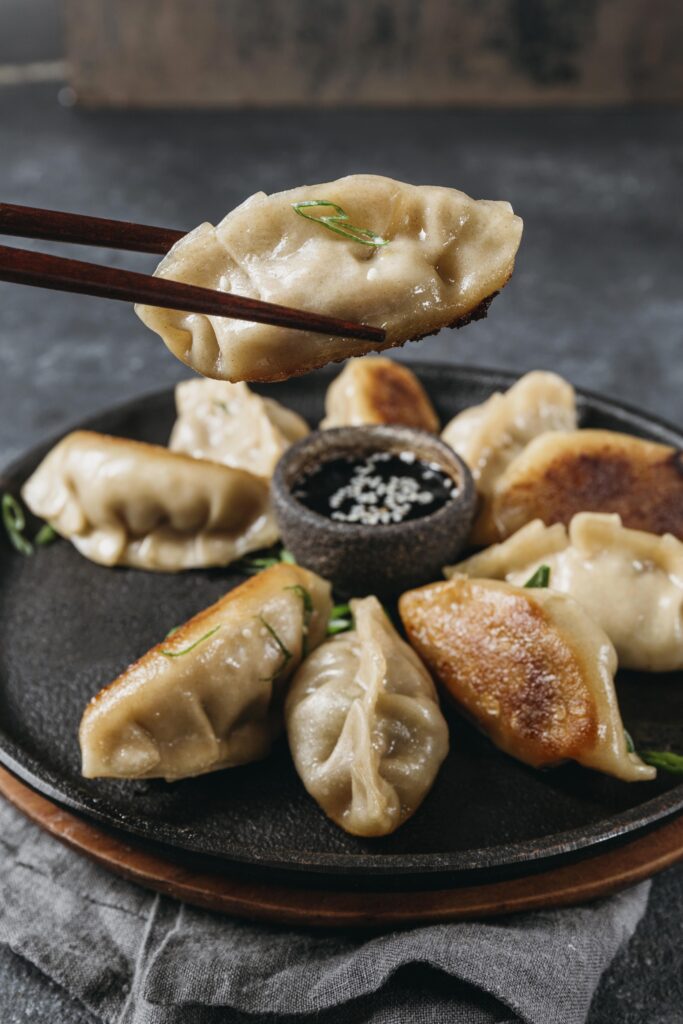
This is why he traveled to meet Badma and Bold—participants in IFAD programs—to exchange valuable recipes and culinary knowledge. With them, he learned to prepare lapsha, a hearty noodle soup that warms the body, and buuz, small steamed dumplings. These dishes are cultural treasures, passed down for generations, telling stories without words—through aromas, flavors and a profound connection to the land.
They speak of tradition, resilience and now, through this encounter, of a special bond of solidarity between two cultures.